01 / The FluxCore principle.
A floor is a system, not an underlay.
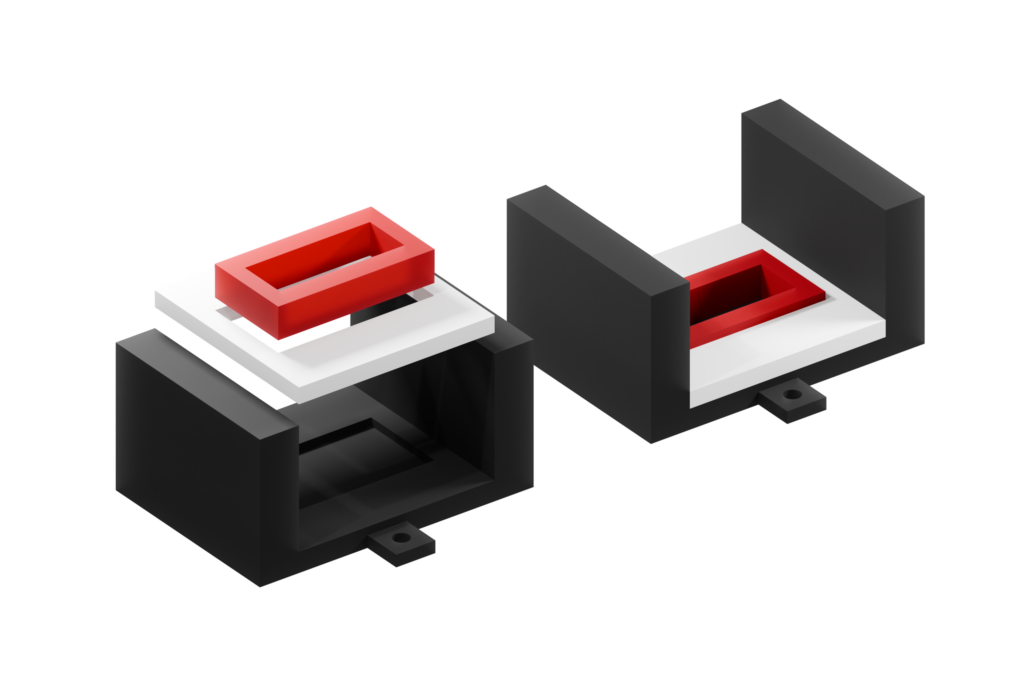
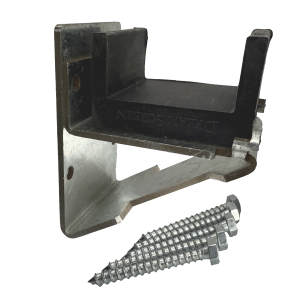
The U-boat sits between the supporting floor and the new batten structure. The battens, supports, deck and any additional board layers work together. FluxCore uses a progressive resilient support concept; the response depends on the actual floor construction and how each support is loaded.
02 / Plan for the room you are building.
Seating. Subwoofers. Studio equipment.
Include concentrated loads such as seating feet, heavy equipment and baffle-wall supports when planning the floor. Distribute those loads through an appropriate deck and batten structure, and add local supports where the design requires them. Wall-clip load figures do not apply to U-boats.
03 / Keep the separation continuous.
Details complete the floor.
Plan perimeter separation, thresholds, service penetrations and transitions to walls before closing the floor. Choose the batten depth and deck specification for the span and loads. The 49 mm product opening describes batten compatibility; it is not the total floor build-up height.
04 / Use the planner.
See the support layout before you order.
Enter the room dimensions and select the floor to view the calculated batten and support layout. The quantity schedule is a starting point for specification, not a floor-load certificate. Concentrated loads, structural sizing and the final installation details require project review.
05 / Evidence in context.
Wall data stays with the wall.
The SINTEF airborne sound measurements presented on the ProSilence homepage describe a wall assembly. They are not an impact-sound result for this floor support. The film explains the FluxCore concept; no estimated resonance curve or numerical improvement over generic underlays is presented here.