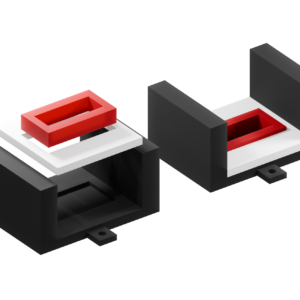
01 / The FluxCore Effect.
A connection designed around movement.
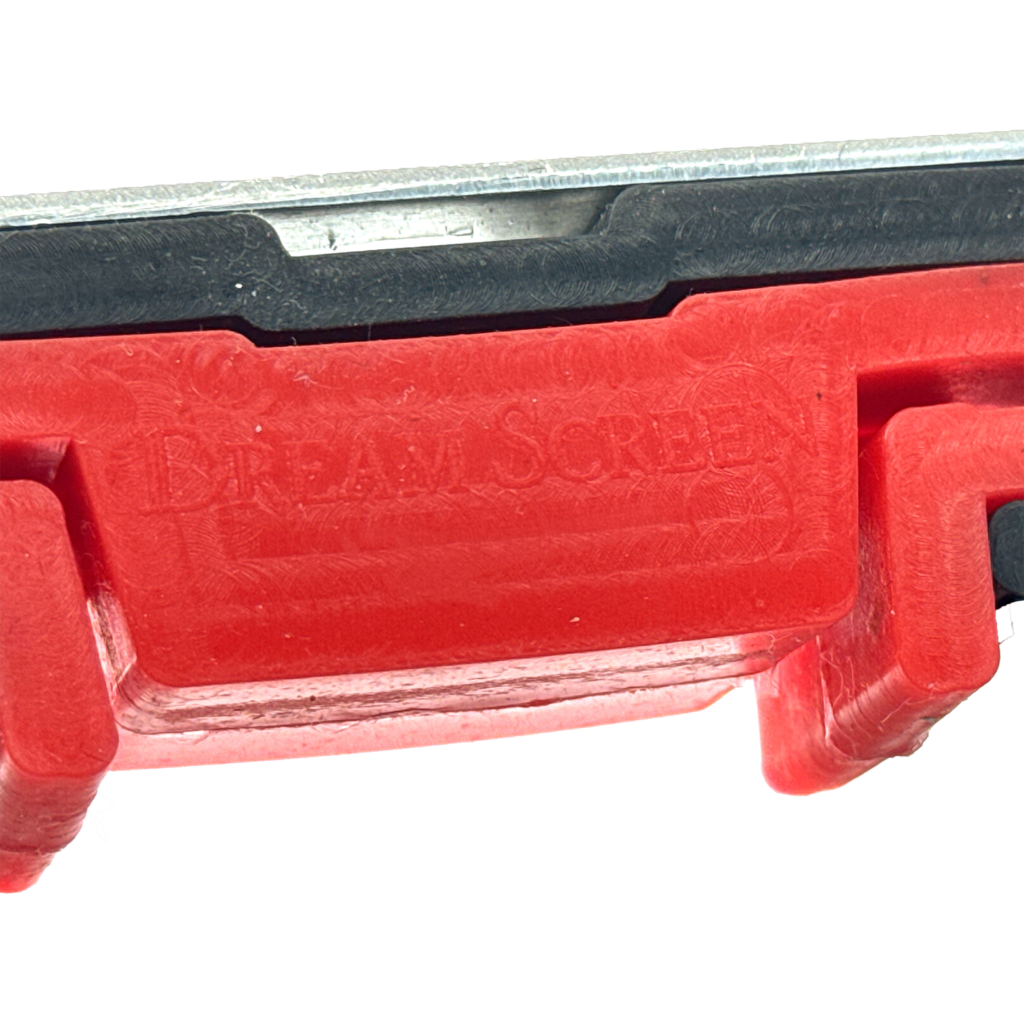
The steel clip supports the channel while the softer inner and firmer outer elastomer cores form the resilient connection. FluxCore is a passive mechanical isolation system: its performance comes from the assembled structure, loading and material behaviour, not electronic noise cancellation.
02 / Build beyond board weight.
Heavy linings. Considered equipment mounts.
Studios and private cinemas need more than a finished wall. Include speakers, brackets and other equipment in the load plan, with suitable backing and load distribution into the isolated structure. Board layers, compound and finishes already use part of each support point’s capacity; an equipment fixing is not rated by the clip figure alone.
03 / Plan the entire connection.
Clip. Channel. Board. Detail.
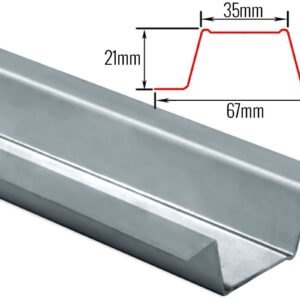
Use the specified ProSilence channel, appropriate anchors for the supporting structure and a board-fixing schedule suited to the lining. Plan clips at openings, joints and local loads, and avoid unintended rigid connections across the isolation. The System Planner provides quantities and layout guidance; project loads and construction details still need review.
04 / Load evidence.
475 N for ceiling use. Separate wall guidance.
SINTEF PR26-00288, dated 22 September 2026, records a mean ceiling failure load of 1,503.5 N. The report first accounts for variation between samples, then applies a 2.5 safety factor, giving 475 N per clip — about 48.4 kg mass equivalent. It is not a simple 1,500 / 2.5 calculation. For wall shear, the strength-based result is 543.5 N; the report recommends limiting load to 350 N for intended function. Our normal-load planning targets are lower, to leave room for resilient operation. Correct tightening, anchors and load distribution remain essential; strength reserve is not an automatic equipment-hanging allowance.
05 / Performance in a completed building.
Kolbotn: a practical project reference.
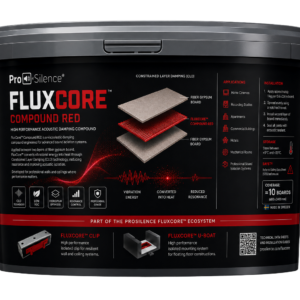
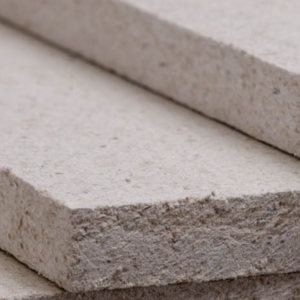
The ProSilence music studio in Kolbotn has a reported weighted field result of R′w 74 dB from the studio to the exercise room above. AVshop measured the installation on 21 September 2026. The walls and ceiling use two layers of gypsum-fibre board with damping compound, as part of a complete isolated room. We use Kolbotn as a reference for the performance level we aim for in comparable, carefully designed projects. It is not a guaranteed result for every installation or a standalone rating for FluxCore Clip. The full project report explains the construction, measurement limits and the 50–80 Hz method qualification.